Introduction
In the pharmaceutical world, there is frequent confusion between terms like Product Information Leaflet and Patient Information Leaflet, often both abbreviated as PIL. While they may appear similar, they cater to different audiences—and understanding their roles is essential for regulatory compliance, patient safety, and effective communication.
In today’s increasingly patient-centric healthcare systems, the ability to access clear, accurate, and timely medication information is more important than ever. With rising global emphasis on transparency, informed consent, and treatment adherence, both the Patient Information Leaflet (PIL) and the Product Information Leaflet play pivotal roles in communicating essential drug-related information. Although the terms are often used interchangeably, they refer to distinct documents created for different target audiences—patients and healthcare professionals, respectively.
The Patient Information Leaflet, typically found inside medicine packaging, is designed to educate the patient or caregiver in plain, non-technical language. It aims to foster safe and appropriate use of medicines by explaining what the drug is for, how to take it, what side effects to expect, and when to seek medical help. On the other hand, the Product Information Leaflet (or more formally, the Summary of Product Characteristics, or SmPC) is a detailed, scientific document intended for doctors, pharmacists, and regulatory reviewers. It contains exhaustive information about the medicine’s clinical pharmacology, dosing regimens, contraindications, and trial data.
1. What Is a Patient Information Leaflet (PIL)?
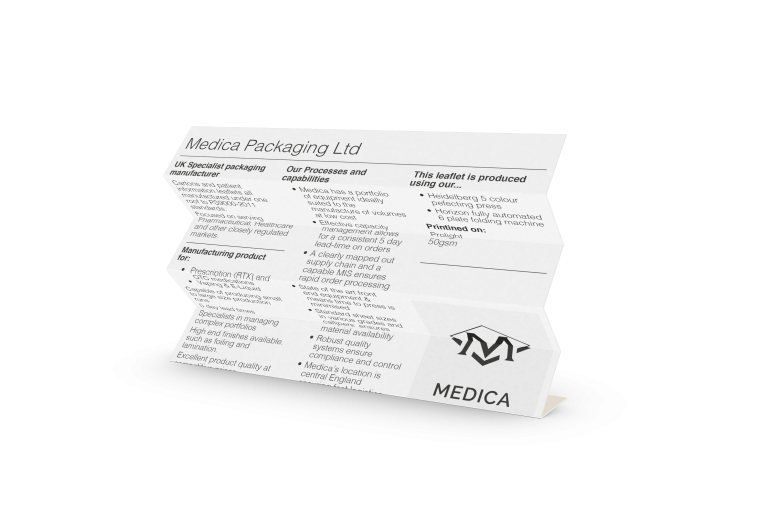
A Patient Information Leaflet (PIL)—also known as a package leaflet, patient medication leaflet, or consumer medicines information—is the document included in every medicine package intended for patients or caregivers. Its primary purpose is to present information in clear, patient‑friendly language, including details on:
- What the medicine is and its purpose
- How to take it correctly (dosage and route)
- Precautions, contraindications, and warnings
- Possible side effects and what to do if they occur
- Storage instructions and manufacturer details
In Europe, regulations such as the EC’s Directive 2001/83/EC stipulate that PILs must be unbiased, evidence-based, and presented in a way that supports comprehension by laypersons BioMed Central. Additionally, readability testing is often required to ensure the leaflet meets user needs BioMed CentralRedalyc.org.
Studies show that while PILs can enhance medication knowledge and adherence, they can also overwhelm patients with dense or frightening lists of side effects, sometimes resulting in lower compliance BioMed CentralPMC
2. What Is a Product Information Leaflet?
The Product Information Leaflet is best understood as part of the broader product information documents required by regulatory agencies. These include
- Summary of Product Characteristics (SmPC)—intended for healthcare professionals
- Package leaflet or Patient Information Leaflet—for end users
- Labelling presented on packaging
As defined by regulatory authorities like the Paul-Ehrlich-Institut, product information encompasses both the SmPC and the patient leaflet, representing all approved content for patients and professionals
Thus, the term “Product Information Leaflet” might sometimes be used interchangeably with “package leaflet” or to refer collectively to both professional and patient documents. However, its usage is broader, reflecting the full suite of approved information for a medicine
3. Purpose and Audience: Who Is Each Leaflet For?
3.1 Patient Information Leaflet
- Audience: Patients and caregivers
- Purpose: Educate on safe usage, treatment adherence, risks, and what to do in different scenarios (e.g., missed dose, side effects).
- Writing style: Plain, non-technical language; sometimes includes pictograms or multilingual versions.
- Regulatory role: Must be approved and updated by health authorities; vital for patient safety and compliance.
3.2 Product Information Leaflet (and SmPC)
- Audience: Healthcare professionals (SmPC) and, to some extent, patients (package leaflet).
- Purpose: Provide comprehensive scientific and regulatory data—pharmacodynamics, pharmacokinetics, clinical trial results, professional dosing guidance.
- Writing style: Technical and structured.
- Regulatory role: Forms the core of drug approval dossiers; must be maintained and updated after approval
4. Regulatory Context & Document Updates
Mandatory Inclusion and Updating
In both the EU and the UK, every medicine pack must include a PIL unless the packaging itself contains all necessary information GOV.UK. In Pakistan, pharmaceutical companies are required to supply a PIL and update it promptly when new safety or efficacy data emerge
Updating Product Information
The product information package—including both SmPC and PIL—is routinely updated post-approval whenever new data surfaces, like adverse events, stability changes, or revised therapeutic guidance
Readability Requirements
EU regulations demand that PILs undergo readability testing to ensure comprehension by the target population BioMed Central. In the UK, the MHRA reviews font size, colours, layout, and Braille accessibility, ensuring the PIL is accessible, especially for visually impaired patients
5. Common Challenges and Practical Issues
Patient Overwhelm & Non-Adherence
Focus group research reveals that excessive warning information in PILs may provoke fear and anxiety, sometimes leading to medication avoidance or dose alteration without medical advice
Accessibility Concerns
- Patients often face challenges with:
- Small font sizes or dense blocks of text
- Medical jargon that’s difficult to understand
- Not having the leaflet when receiving medication (e.g., initial visits
Regions with Digital Preferences
In Saudi Arabia, a recent study found that while 78% of participants read the PIL for new medicines, repeat prescription reading drops to 45%. Interestingly, 54.6% preferred a mix of paper and digital formats
6. Digital Evolution: e‑PIL and Beyond
Digital innovations are reshaping how PILs reach patients:
Electronic Patient Information Leaflet (e‑PIL): Provides digital access to medication leaflets via apps or portals—helpful for language translation and accessibility
Example: EU’s initiative for Ukrainian refugees enables scanning a datamatrix code on medicine packaging to access the PIL in Ukrainian via an app EFPIA
Digital formats improve accessibility, allow real-time updates, and support multilingual delivery—helping to overcome barriers posed by traditional paper leaflets.
7. Key Differences at a Glance
| Feature | Patient Information Leaflet (PIL) | Product Information (SmPC + PIL) |
| Primary Audience | Patients / Caregivers | Healthcare Professionals (SmPC); Patients (PIL) |
| Language Style | Simple, plain-language | Technical, scientific (SmPC); moderate (PIL) |
| Content Focus | Safe use, side effects, dosing, storage | Detailed pharmacology, trials, dosage (SmPC) |
| Regulatory Role | Mandatory inclusion and readability testing | Core approval documents, requires updates |
| Updates Required | Yes—based on safety or regulatory changes | Yes—for both patient and professional use |
| Accessibility Features | Multilingual, digital options, Braille | SmPC may be digital; PIL may support e‑formats |
Role of PIL and Product Information Leaflets in the CTD
Within the framework of the Common Technical Document (CTD)—a standardized dossier format used globally for the submission of medicinal product applications—the Patient Information Leaflet (PIL) and Product Information Leaflets play a crucial role in ensuring that both regulatory authorities and end users receive appropriate, reliable, and accessible drug information. These documents are specifically located in Module 1.3 of the CTD, which contains region-specific administrative and product-related information.
While the Summary of Product Characteristics (SmPC) serves as a detailed technical document intended for healthcare professionals, outlining pharmacological properties, clinical trial data, contraindications, and dosage, the Patient Information Leaflet is derived from the SmPC but adapted to a lay audience, using simplified, non-technical language to enhance comprehension and promote patient adherence. Together, these documents form a bridge between regulatory compliance and real-world patient engagement.
Regulatory bodies such as the European Medicines Agency (EMA), FDA, and Drug Regulatory Authority of Pakistan (DRAP) require that these documents not only be accurate and complete at the time of submission, but also be kept up to date throughout the product’s lifecycle as new safety or efficacy data become available.
In this context, their inclusion in the CTD is not merely a formality—it represents a vital component of risk communication, pharmacovigilance, and ethical drug promotion, ensuring that medicines are both regulatory-compliant and user-friendly. Moreover, with increasing emphasis on patient-centric healthcare and digital health, these labeling elements are now being developed with a stronger focus on accessibility, multilingualism, and electronic delivery formats (e.g., ePILs), further enhancing their relevance in modern regulatory submissions.
Conclusion
While the terms Product Information Leaflet and Patient Information Leaflet (PIL) may sometimes be used interchangeably, recognizing their distinct roles is vital:
- The Patient Information Leaflet focuses on patient safety and comprehension, using simplified language and clear formatting to guide safe medication use.
The broader Product Information set (including SmPC and PIL) serves both healthcare professionals and patients, delivering scientific rigor and regulatory compliance
Both documents are dynamic and must be updated with the latest safety and product data to remain accurate and trustworthy. As we transition further into digital healthcare, solutions like e‑PIL enhance accessibility and equity—especially across language and geographic barriers.
Understanding the nuances between these documents ensures better patient outcomes, supports regulatory adherence, and fosters informed, safe medication practices.
In conclusion, the Patient Information Leaflet and the broader Product Information package serve complementary, vital roles in the safe and effective use of medications. The SmPC provides the technical, evidence-based foundation needed by healthcare professionals, while the PIL translates that into accessible guidance for patients. Regulatory frameworks across regions mandate both, ensuring they are accurate, up-to-date, and appropriately tailored to their audiences
As healthcare continues to evolve, especially with increasing digital integration and diverse patient populations, ensuring that both the content and delivery of these documents remain effective, clear, and inclusive is paramount. Balancing scientific rigor with comprehensibility remains a central challenge—and opportunity—for pharmaceutical communication in the years ahead
References :
- Drug Regulatory Authority of Pakistan. (2025, June 13). Summary of Product Characteristics (SmPC). Retrieved from DRAP website Directorate of Agricultural Revenue
- Drug Regulatory Authority of Pakistan. (2022, October 27). DRAP finalizes guidelines on the preparation of Summary of Product Characteristics (SmPC). Retrieved from DRAP website Directorate of Agricultural Revenue
- Datapharm. (n.d.). What Is a PIL?. Retrieved from support.datapharm.com support.datapharm.com
- Medicines and Healthcare products Regulatory Agency. (2024, March 7). Medicines: packaging, labelling and patient information leaflets. GOV.UK. GOV.UK
- European Medicines Agency. (n.d.). Regulatory information – updates to product information templates for all medicines for human use. Retrieved from ema.europa.eu European Medicines Agency (EMA)
- Wilm, S., et al. (2014). Patient information leaflets: informing or frightening? A focus group study exploring patients’ emotional reactions and subsequent behavior towards package leaflets of commonly prescribed medications in family practices. BMC Family Practice, 15, 163. BioMed Central
- PubMed. (n.d.). Patient information leaflets: friend or foe? Retrieved from pubmed.ncbi.nlm.nih.gov PubMed
- HPRA. (n.d.). Product information documents. Retrieved from hpra.ie HPRA
- Drug Regulatory Authority of Pakistan. (2023, May 5). Stakeholders’ comments are invited on the draft guidelines on Patient Information Leaflet. DRAP website. Directorate of Agricultural Revenue
- Drug Regulatory Authority of Pakistan. (2024, October 31). Directive of Registration Board; Submission of Summary of Product Characteristics (SmPC), Prescribing Information (PI) and Patient Leaflet (PIL). DRAP website. Directorate of Agricultural Revenue
- GOV.UK. (n.d.). Safety communications concerning medicines, medical devices and other healthcare products. GOV.UK. GOV.UK
- Oriola. (2023, November 4). Medicine’s product information texts – what happens after regulatory approval? Newsroom. Oriola
- Wikipedia. (2025, June). Medication package insert. Retrieved from en.wikipedia.org Wikipedia
- PubMed. (2023). Patient information leaflet in the era of digitalisation: a cross‑sectional study on patients’ attitudes and practices. PubMed
- Redalyc. (n.d.). Patients’ views on electronic patient information leaflets. Redalyc.org
- PMC. (n.d.). Patients’ views on electronic patient information leaflets (full text). PMC
- Medicines Authority Malta. (n.d.). What is the Package Leaflet? Retrieved from medicinesauthority.gov.mt