Introduction: “Where Molecules Become Medicines: The Invisible Interface of R&D and F&D”
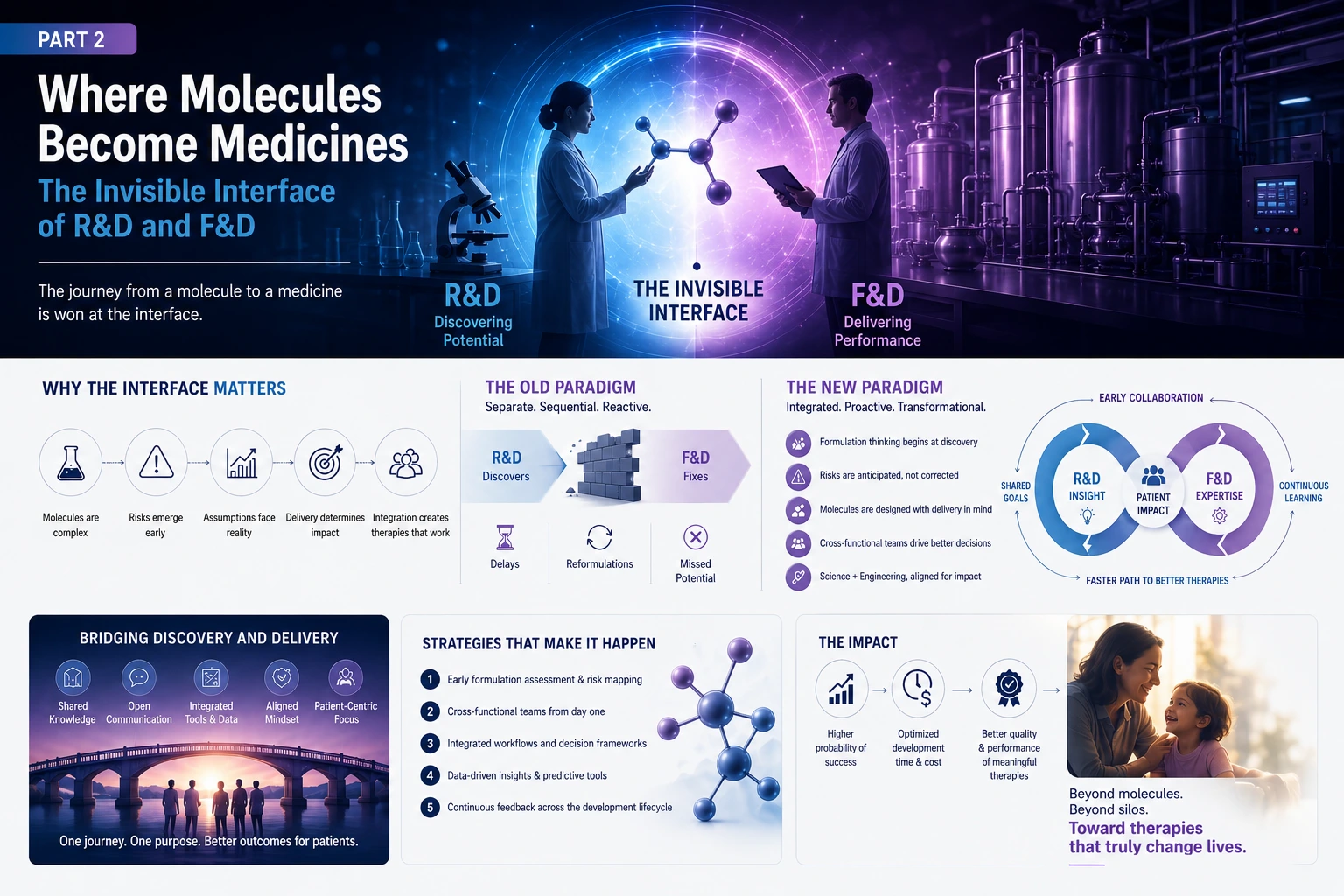
In Part 1, we delved into a fundamental truth: discovery alone is never enough. A molecule, no matter how promising, is only the beginning of a much more complex journey. But what truly determines whether that molecule succeeds, or silently fails? The answer lies in a space rarely seen, yet critically decisive: the interface where Research and Development (R&D) meets Formulation and Development (F&D). This is not merely a handover point; it is a battleground of variables, a convergence of science and engineering, where assumptions are tested against reality. Here, instability reveals itself, release profiles resist prediction, and elegant theories confront the uncompromising environment of the human body.
For decades, the industry treated R&D and F&D as separate worlds, one discovering, the other fixing. The result? Delays, reformulations, and missed potential. But that model is breaking. A new paradigm is emerging, one where formulation thinking begins at the moment of discovery, where risks are anticipated rather than corrected, and where molecules are designed with their delivery in mind. This shift is not incremental; it is transformational. Because the future of pharmaceuticals will not be built on isolated excellence, but on integration. And in that integration lies the difference between a drug that exists… and a therapy that truly works.
In this second part, we will explore the critical strategies and methodologies that can facilitate this integration. We will examine case studies that illustrate successful collaborations between R&D and F&D, highlighting the importance of early-stage formulation considerations and the role of cross-disciplinary teams. By understanding these dynamics, we can better appreciate how to navigate the complexities of drug development and ultimately enhance the therapeutic outcomes for patients. Join us as we embark on this journey to bridge the gap between discovery and delivery, paving the way for a more effective and cohesive pharmaceutical landscape.
The Critical Interface: Where R&D Meets F&D
In the pharmaceutical industry, the intersection of Research and Development (R&D) and Formulation and Development (F&D) plays a pivotal role in the success of drug products. This document explores the evolution from traditional, sequential approaches to modern, integrated strategies that enhance product development efficiency and effectiveness. By examining the benefits of a Quality by Design (QbD)-driven methodology, we can better understand how the integration of R&D and F&D can lead to more successful pharmaceutical products.
Traditional Approach (Outdated)
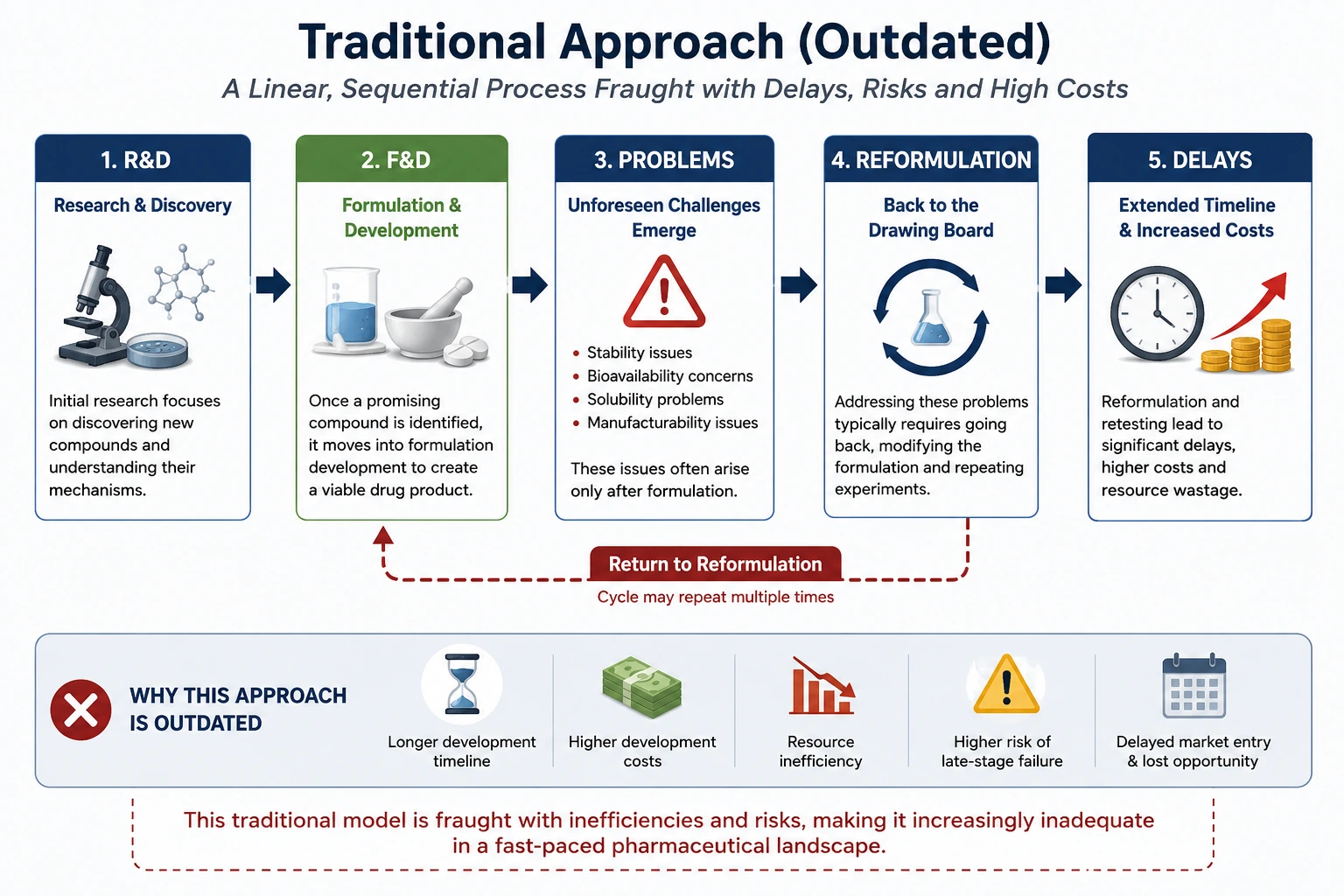
Historically, the pharmaceutical development process has followed a linear path:
- R&D: Initial research focuses on discovering new compounds and understanding their mechanisms.
- F&D: Once a promising compound is identified, it moves into formulation development, where scientists work on creating a viable drug product.
- Problems: This sequential approach often leads to unforeseen challenges, such as stability issues or bioavailability concerns that arise only after formulation.
- Reformulation: Addressing these problems typically requires going back to the drawing board, leading to reformulation efforts that can be time-consuming and costly.
- Delays: As a result, the entire development timeline is extended, delaying the product’s entry into the market and increasing costs.
This traditional model is fraught with inefficiencies and risks, making it increasingly inadequate in a fast-paced pharmaceutical landscape.
Modern Approach (QbD-driven)
In contrast, the modern approach emphasizes the integration of R&D and F&D through a QbD-driven framework. This paradigm shift allows for parallel development, which offers several advantages:
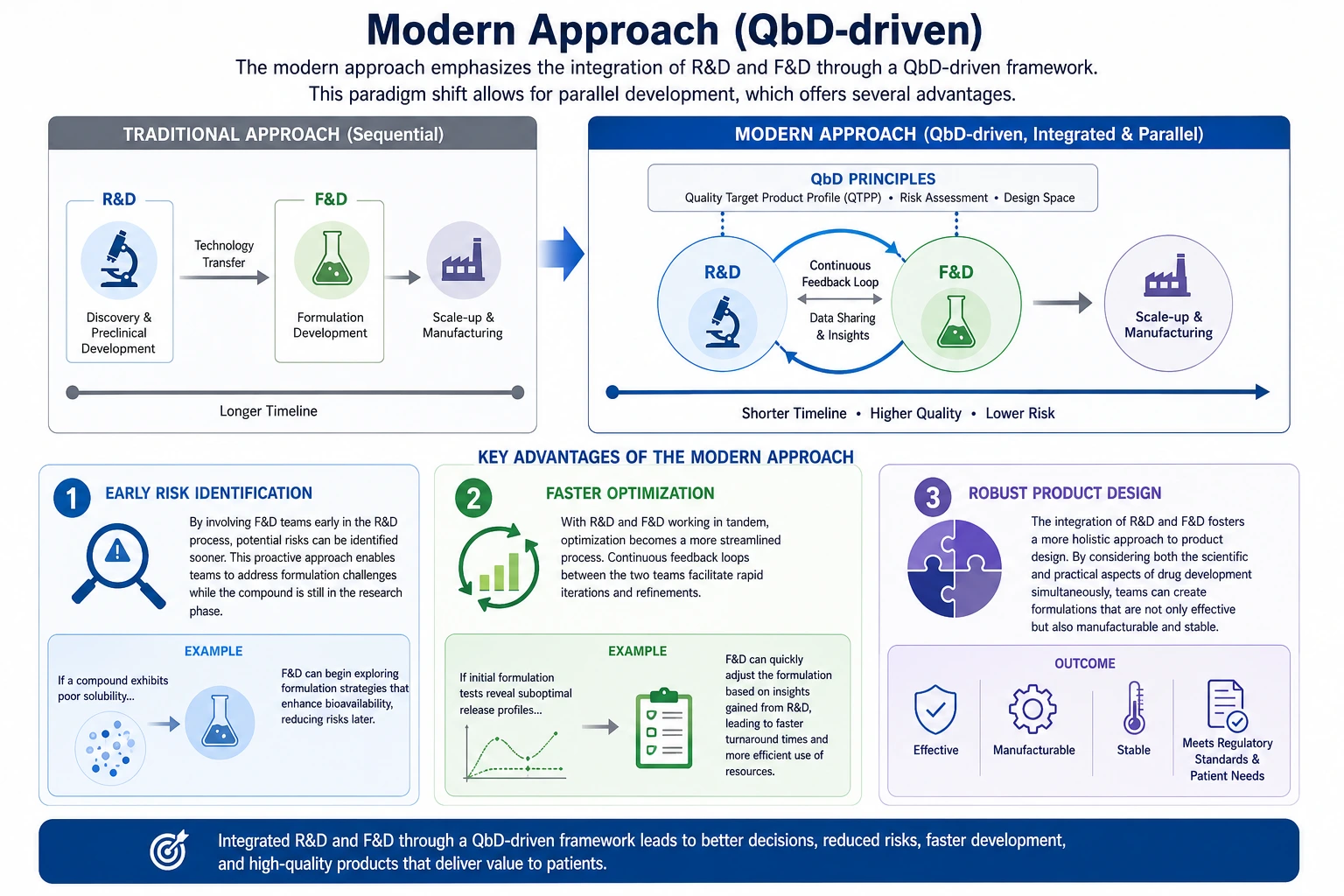
Early Risk Identification
By involving F&D teams early in the R&D process, potential risks can be identified sooner. This proactive approach enables teams to address formulation challenges while the compound is still in the research phase. For instance, if a compound exhibits poor solubility, F&D can begin exploring formulation strategies that enhance bioavailability, thereby reducing the likelihood of encountering significant issues later in development.
Faster Optimization
With R&D and F&D working in tandem, optimization becomes a more streamlined process. Continuous feedback loops between the two teams facilitate rapid iterations and refinements. For example, if initial formulation tests reveal suboptimal release profiles, F&D can quickly adjust the formulation based on insights gained from R&D, leading to faster turnaround times and more efficient use of resources.
Robust Product Design
The integration of R&D and F&D fosters a more holistic approach to product design. By considering both the scientific and practical aspects of drug development simultaneously, teams can create formulations that are not only effective but also manufacturable and stable. This comprehensive perspective ensures that the final product meets regulatory standards and patient needs from the outset.
Benefits of Integration
The integration of R&D and F&D through a QbD-driven approach significantly reduces:
Development Timelines
By eliminating the delays associated with sequential development, integrated teams can accelerate the overall timeline from discovery to market. This speed is crucial in a competitive landscape where being first to market can provide a significant advantage.
Regulatory Risks
Early identification of potential formulation issues allows for better alignment with regulatory requirements. By addressing these concerns proactively, companies can minimize the risk of regulatory setbacks that often arise during late-stage development.
Late-stage Failures
The collaborative nature of integrated R&D and F&D reduces the likelihood of late-stage failures. By ensuring that formulation considerations are factored into the early stages of research, companies can avoid costly setbacks that arise from discovering formulation issues too late in the process.
Case Insight: Complex Molecules and Real-World Challenges
In the realm of pharmaceuticals, the development of complex molecules presents unique challenges that can significantly impact their efficacy and safety. This document delves into the intricacies of formulating moisture-sensitive, oxidation-prone, and pH-dependent molecules, highlighting the consequences of inadequate formulation and the benefits of advanced strategies.
1. Moisture-Sensitive Molecules
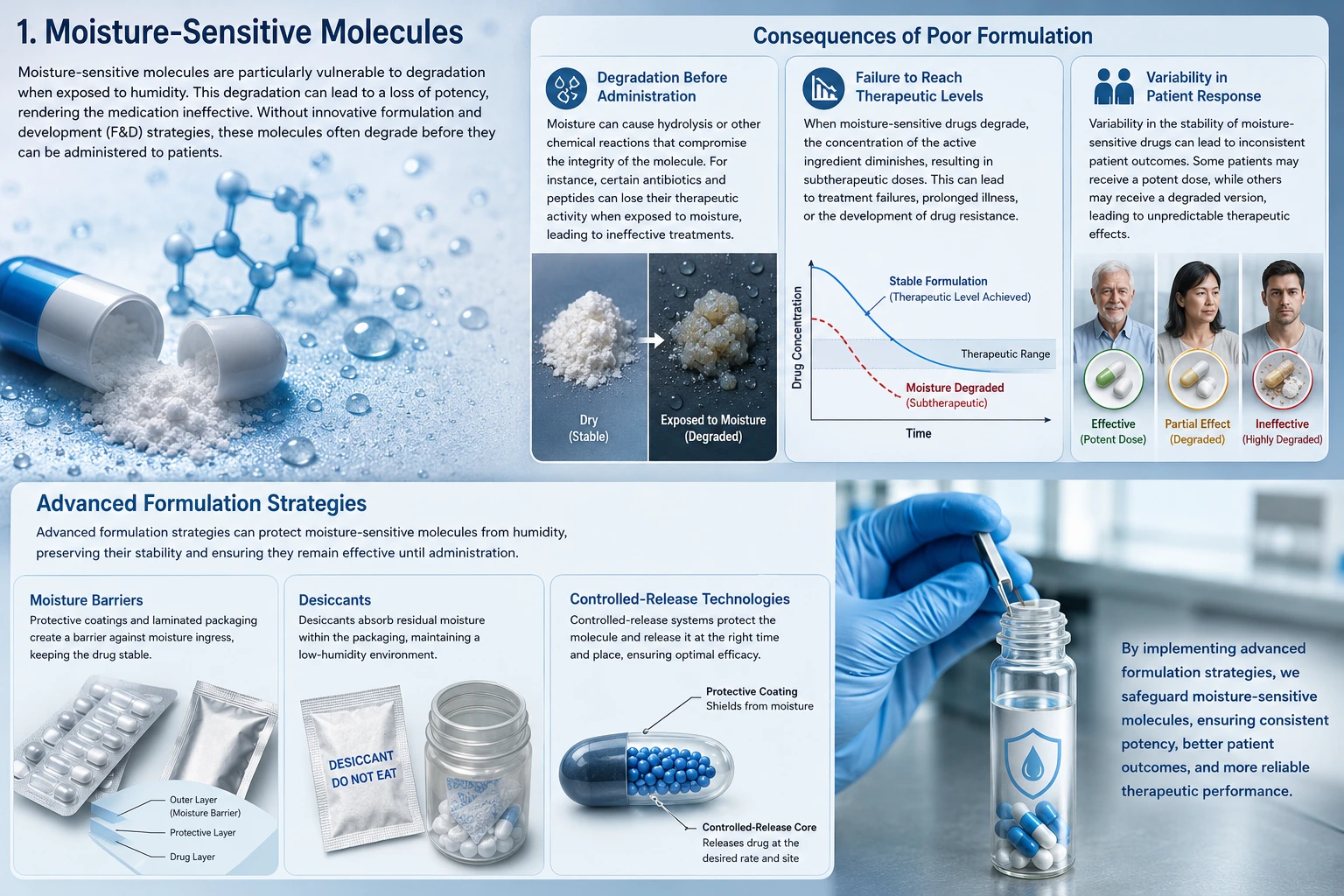
Moisture-sensitive molecules are particularly vulnerable to degradation when exposed to humidity. This degradation can lead to a loss of potency, rendering the medication ineffective. Without innovative formulation and development (F&D) strategies, these molecules often degrade before they can be administered to patients.
Consequences of Poor Formulation
- Degradation Before Administration: Moisture can cause hydrolysis or other chemical reactions that compromise the integrity of the molecule. For instance, certain antibiotics and peptides can lose their therapeutic activity when exposed to moisture, leading to ineffective treatments.
- Failure to Reach Therapeutic Levels: When moisture-sensitive drugs degrade, the concentration of the active ingredient diminishes, resulting in subtherapeutic doses. This can lead to treatment failures, prolonged illness, or the development of drug resistance.
- Variability in Patient Response: Variability in the stability of moisture-sensitive drugs can lead to inconsistent patient outcomes. Some patients may receive a potent dose, while others may receive a degraded version, leading to unpredictable therapeutic effects.
Advanced Formulation Strategies
To combat these challenges, advanced formulation strategies such as the use of moisture barriers, desiccants, and controlled-release technologies can be employed. These methods help preserve the stability of moisture-sensitive molecules, ensuring that they remain effective until administration.
2. Oxidation-Prone Molecules
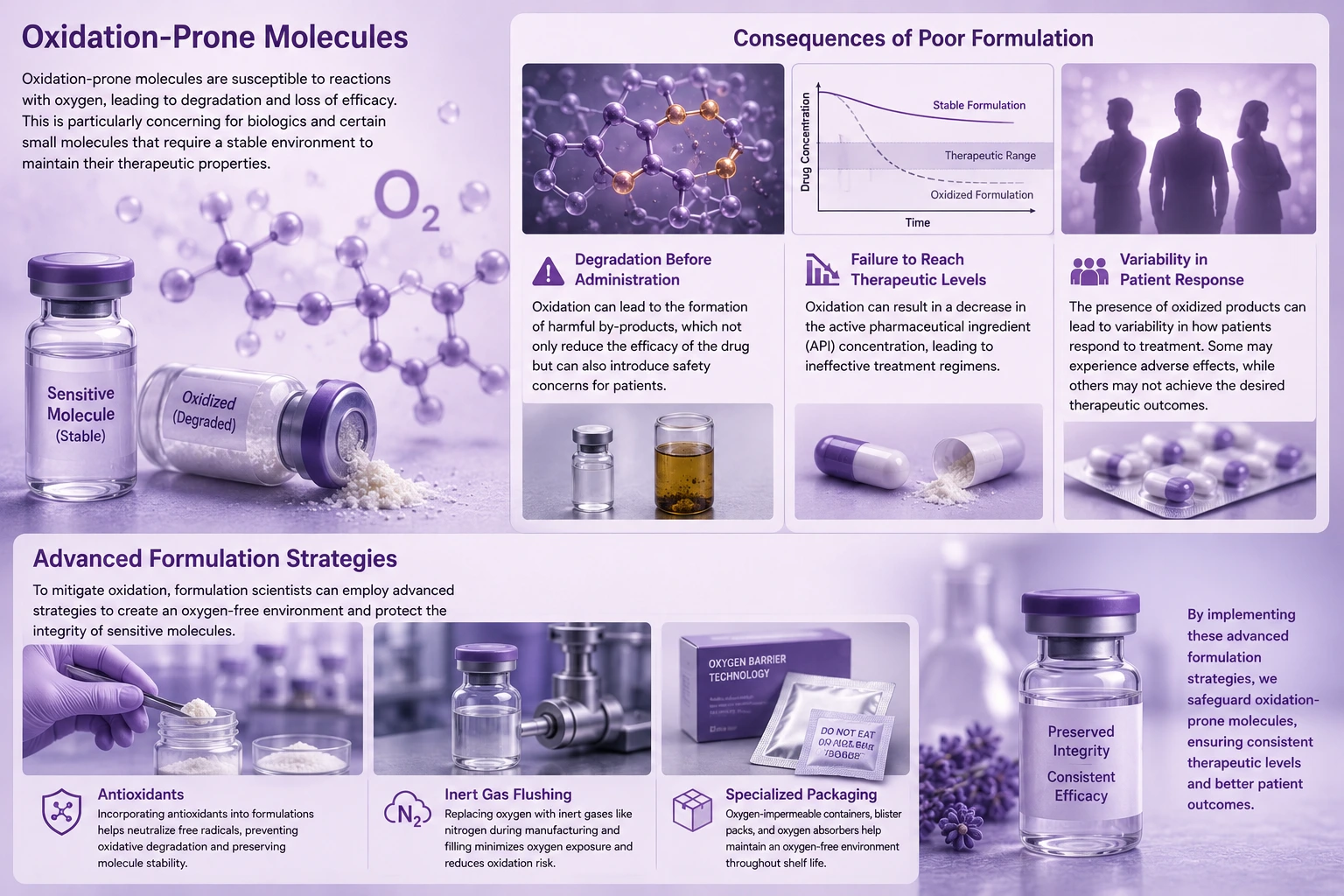
Oxidation-prone molecules are susceptible to reactions with oxygen, leading to degradation and loss of efficacy. This is particularly concerning for biologics and certain small molecules that require a stable environment to maintain their therapeutic properties.
Consequences of Poor Formulation
- Degradation Before Administration: Oxidation can lead to the formation of harmful by-products, which not only reduce the efficacy of the drug but can also introduce safety concerns for patients.
- Failure to Reach Therapeutic Levels: Similar to moisture-sensitive molecules, oxidation can result in a decrease in the active pharmaceutical ingredient (API) concentration, leading to ineffective treatment regimens.
- Variability in Patient Response: The presence of oxidized products can lead to variability in how patients respond to treatment. Some may experience adverse effects, while others may not achieve the desired therapeutic outcomes.
Advanced Formulation Strategies
To mitigate oxidation, formulation scientists can utilize antioxidants, inert gas flushing, and specialized packaging to create an oxygen-free environment. These strategies help maintain the integrity of oxidation-prone molecules, ensuring consistent therapeutic levels.
3. pH-Dependent Molecules
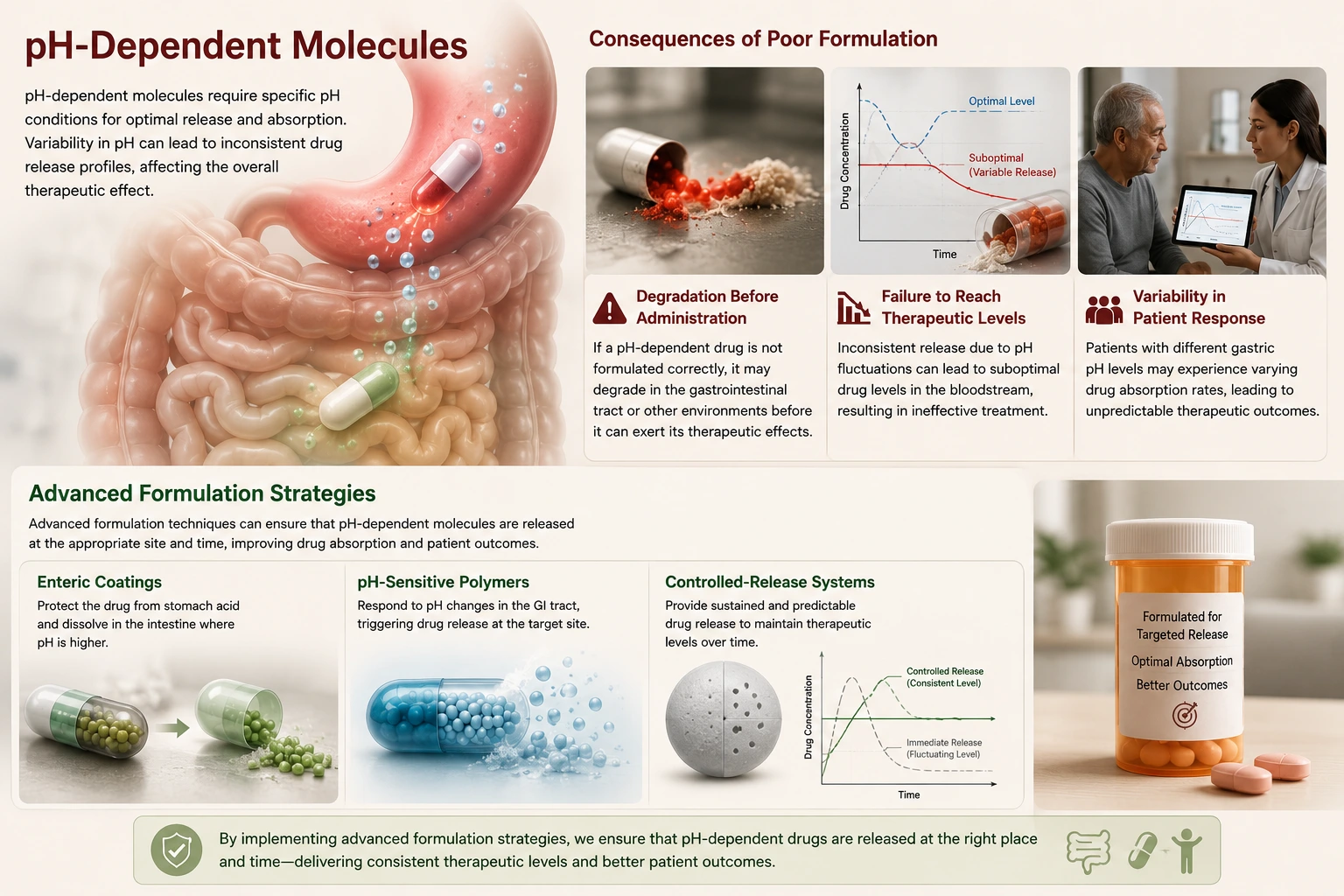
pH-dependent molecules require specific pH conditions for optimal release and absorption. Variability in pH can lead to inconsistent drug release profiles, affecting the overall therapeutic effect.
Consequences of Poor Formulation
- Degradation Before Administration: If a pH-dependent drug is not formulated correctly, it may degrade in the gastrointestinal tract or other environments before it can exert its therapeutic effects.
- Failure to Reach Therapeutic Levels: Inconsistent release due to pH fluctuations can lead to suboptimal drug levels in the bloodstream, resulting in ineffective treatment.
- Variability in Patient Response: Patients with different gastric pH levels may experience varying drug absorption rates, leading to unpredictable therapeutic outcomes.
Advanced Formulation Strategies
Advanced formulation techniques such as enteric coatings, pH-sensitive polymers, and controlled-release systems can help ensure that pH-dependent molecules are released at the appropriate site and time. These strategies enhance the predictability of patient outcomes by ensuring consistent drug delivery.
The Role of Formulation and Development in Advanced Drug Delivery
The landscape of modern therapeutics is evolving, necessitating innovative approaches to drug delivery that go beyond traditional tablet forms. Formulation and Development (F&D) play a pivotal role in creating advanced drug delivery systems that enhance therapeutic efficacy and patient compliance. This document explores the significance of F&D in developing multiparticulate systems, targeted delivery mechanisms, modified release formulations, and patient-centric dosage forms, particularly in the context of neurological disorders, chronic therapies, and narrow therapeutic index drugs.
In the evolving landscape of modern therapeutics, the demand for innovative drug delivery systems has never been greater. Traditional dosage forms, such as simple tablets, often fall short in meeting the complex needs of patients and healthcare providers. Formulation and Development (F&D) plays a pivotal role in advancing drug delivery methods, enabling multiparticulate systems, targeted delivery mechanisms, and patient-centric dosage forms. This document explores the significance of F&D in creating advanced drug delivery systems, particularly in the context of neurological disorders, chronic therapies, and narrow therapeutic index drugs.
Multiparticulate Systems
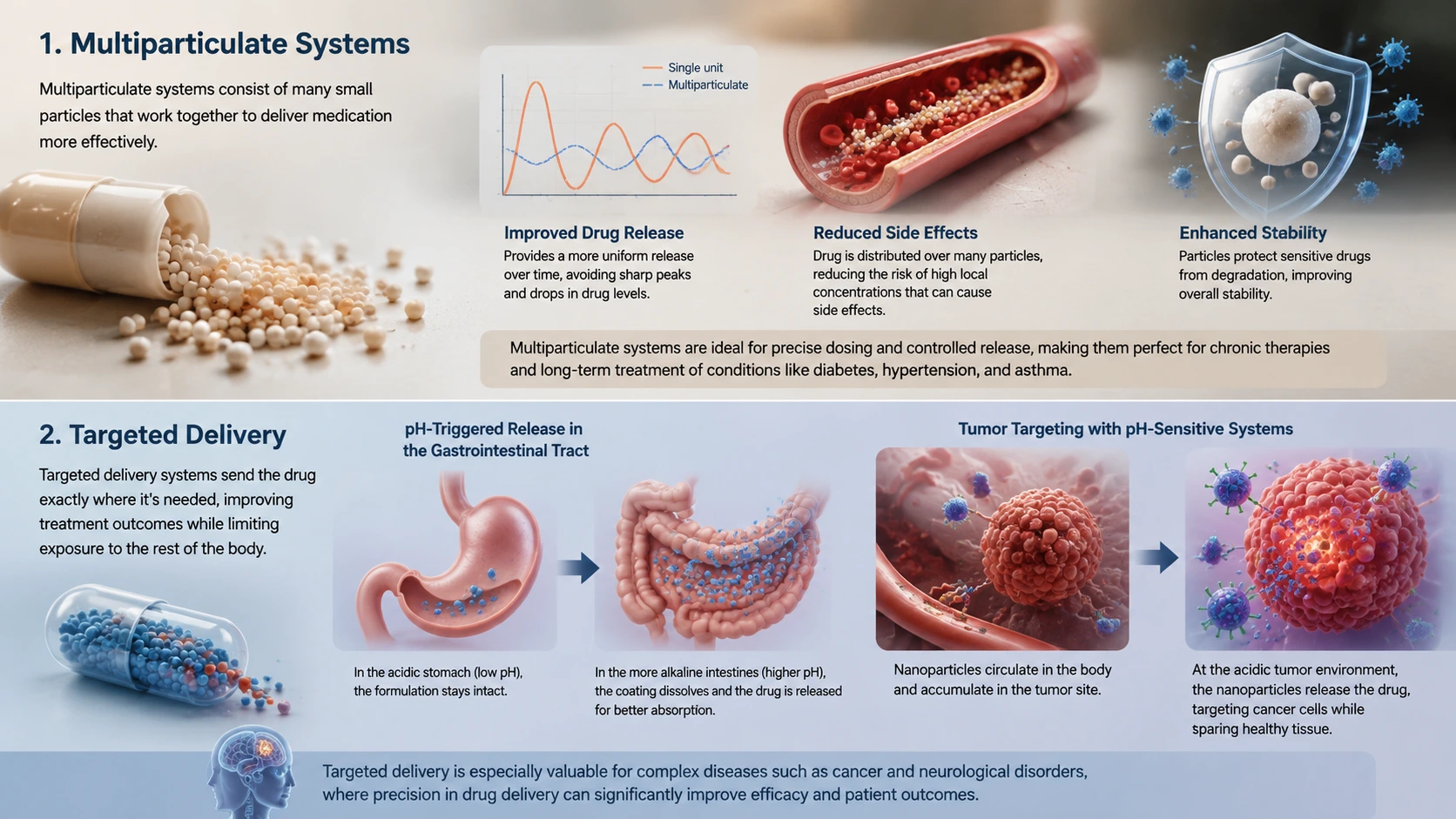
Multiparticulate systems represent a significant advancement in drug formulation. Unlike conventional single-unit dosage forms, multiparticulate systems consist of multiple small particles that can enhance the bioavailability and therapeutic efficacy of drugs. These systems offer several advantages:
- Improved Drug Release Profiles: Multiparticulate formulations can be designed to achieve a more uniform drug release, minimizing peaks and troughs in plasma concentration.
- Reduced Side Effects: By distributing the drug over multiple particles, the risk of localized high concentrations that can lead to side effects is reduced.
- Enhanced Stability: Multiparticulate systems can improve the stability of sensitive compounds, protecting them from degradation.
These systems are particularly beneficial for drugs that require precise dosing and controlled release, making them ideal for chronic therapies and conditions requiring long-term management.
Targeted Delivery
Targeted drug delivery systems are designed to deliver therapeutic agents directly to the site of action, thereby maximizing efficacy while minimizing systemic exposure and side effects. One innovative approach is pH-triggered release, which exploits the differences in pH levels in various parts of the body. For example:
- Gastrointestinal Tract: Formulations can be designed to remain intact in the acidic environment of the stomach and release the drug in the more alkaline environment of the intestines.
- Tumor Targeting: Certain formulations can be engineered to release drugs in response to the unique pH of tumor tissues, enhancing the therapeutic effect while sparing healthy tissues.
Targeted delivery systems are especially critical in treating diseases such as cancer and neurological disorders, where precision in drug delivery can significantly impact treatment outcomes.
Modified Release Mimicking Physiological Needs
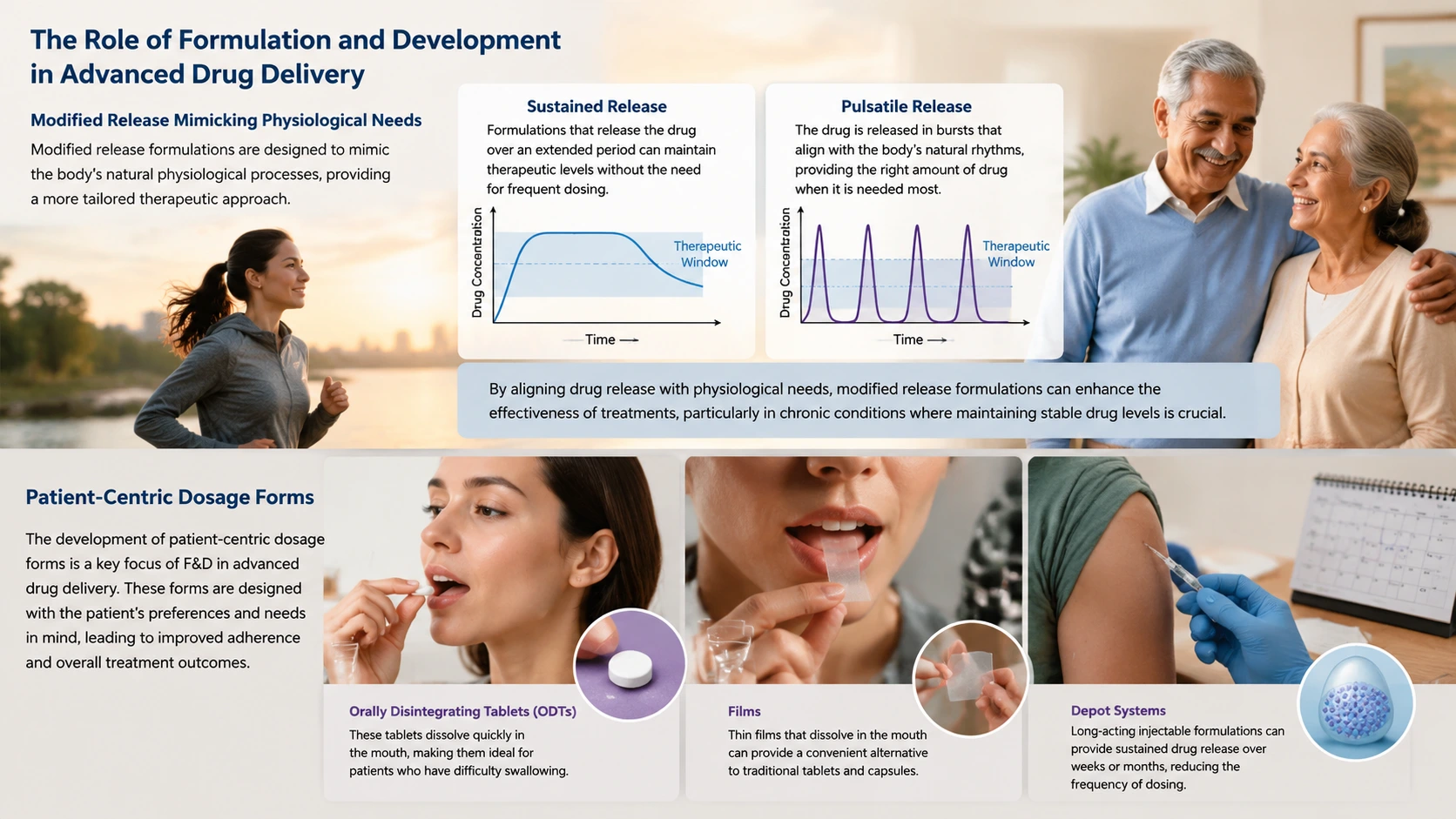
Modified release formulations are designed to mimic the body’s natural physiological processes, providing a more tailored therapeutic approach. This can include:
- Sustained Release: Formulations that release the drug over an extended period can maintain therapeutic levels without the need for frequent dosing, improving patient compliance.
- Pulsatile Release: Some conditions may benefit from a pulsatile release profile, where the drug is released in bursts that align with the body’s natural rhythms.
By aligning drug release with physiological needs, modified release formulations can enhance the effectiveness of treatments, particularly in chronic conditions where maintaining stable drug levels is crucial.
Patient-Centric Dosage Forms
The development of patient-centric dosage forms is a key focus of F&D in advanced drug delivery. These forms are designed with the patient’s preferences and needs in mind, leading to improved adherence and overall treatment outcomes. Examples include:
- Orally Disintegrating Tablets (ODTs): These tablets dissolve quickly in the mouth, making them ideal for patients who have difficulty swallowing.
- Films: Thin films that dissolve in the mouth can provide a convenient alternative to traditional tablets and capsules.
- Depot Systems: Long-acting injectable formulations can provide sustained drug release over weeks or months, reducing the frequency of dosing.
By prioritizing patient-centric designs, F&D can significantly enhance the overall experience of medication management, particularly for populations such as the elderly or those with chronic illnesses.
Critical Applications in Neurological Disorders
Neurological disorders often present unique challenges in drug delivery due to the blood-brain barrier (BBB) and the need for precise dosing. Advanced drug delivery systems developed through F&D can address these challenges by:
- Enhancing BBB Penetration: Formulations can be designed to facilitate the transport of therapeutic agents across the BBB, ensuring that they reach their target sites effectively.
- Tailoring Release Profiles: Neurological treatments often require specific dosing regimens that can be achieved through modified release technologies.
- Improving Patient Compliance: Patient-centric dosage forms can help ensure that patients adhere to their treatment regimens, which is crucial in managing chronic neurological conditions.
Importance in Chronic Therapies
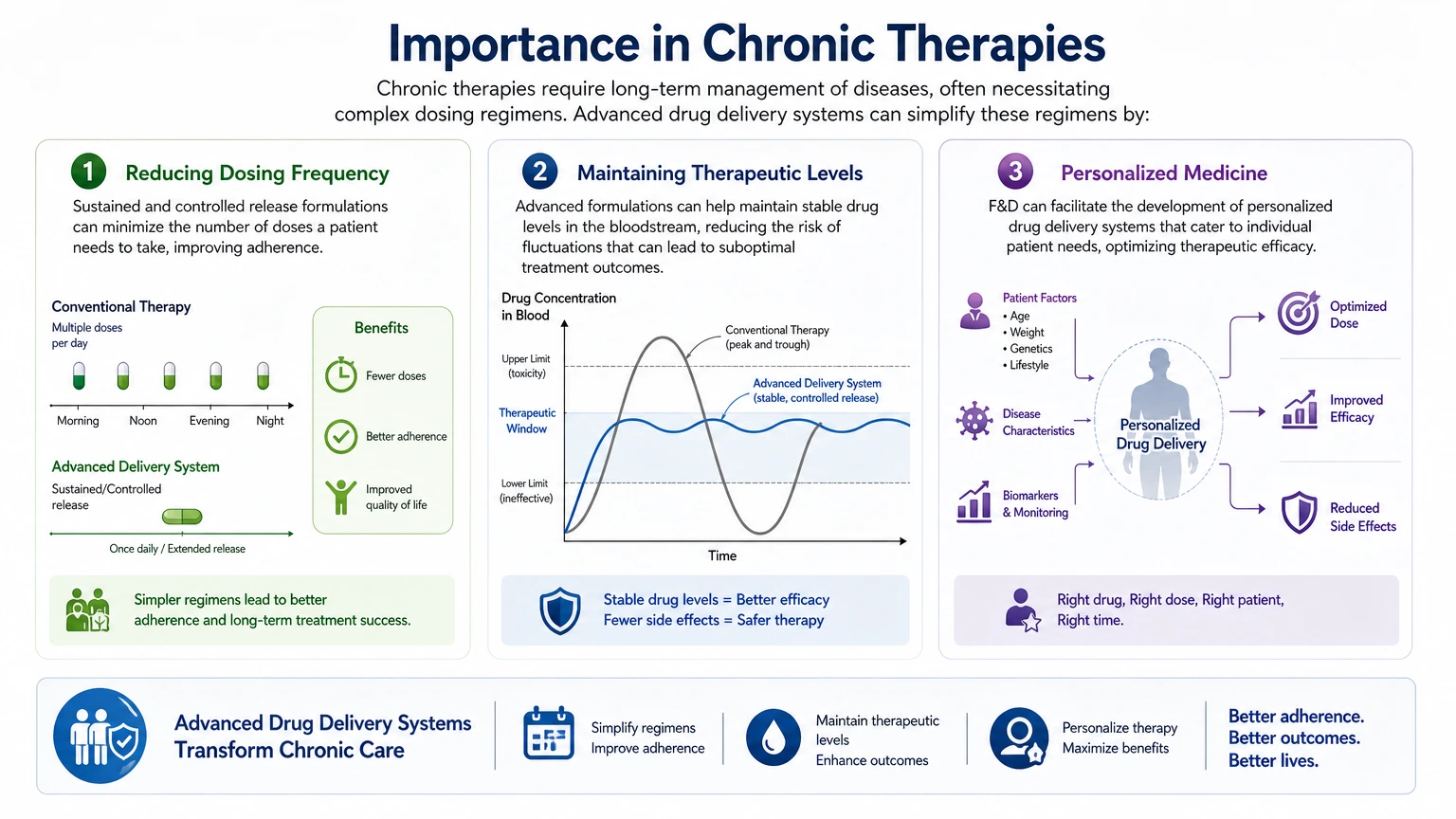
Chronic therapies require long-term management of diseases, often necessitating complex dosing regimens. Advanced drug delivery systems can simplify these regimens by:
- Reducing Dosing Frequency: Sustained and controlled release formulations can minimize the number of doses a patient needs to take, improving adherence.
- Maintaining Therapeutic Levels: Advanced formulations can help maintain stable drug levels in the bloodstream, reducing the risk of fluctuations that can lead to suboptimal treatment outcomes.
- Personalized Medicine: F&D can facilitate the development of personalized drug delivery systems that cater to individual patient needs, optimizing therapeutic efficacy.
Addressing Narrow Therapeutic Index Drugs
Narrow therapeutic index (NTI) drugs require careful monitoring and precise dosing due to their small margin between therapeutic and toxic doses. Advanced drug delivery systems can play a crucial role in managing NTI drugs by:
- Enhanced Monitoring: Formulations that allow for real-time monitoring of drug levels can help ensure that patients remain within the therapeutic range.
- Controlled Release: Modified release formulations can help maintain drug levels within the narrow therapeutic window, reducing the risk of toxicity or treatment failure.
Patient Education: Patient-centric designs can also include educational components that inform patients about the importance of adherence and monitoring.
R&D is where questions are born, but R&D alone does not answer them. R&D explores possibilities, while R&D continuously reshapes what is possible. Through R&D, molecules emerge, but only through evolved R&D thinking do they become meaningful therapies. The future will not be defined by isolated R&D, but by integrated, intelligent R&D that understands delivery as deeply as discovery.
Regulatory Perspective: F&D as a Compliance Driver
In the realm of pharmaceuticals, formulation and development (F&D) play a crucial role not only in the efficacy of a drug but also in its compliance with regulatory standards. Regulators assess not just the active pharmaceutical ingredient (API) but the entire product, including its formulation. This document explores how F&D impacts critical aspects such as dissolution profiles, stability data, batch reproducibility, and process validation. Furthermore, it highlights the consequences of poorly designed formulations, including failed bioequivalence studies, stability failures, and potential regulatory rejections.
The Role of F&D in Regulatory Compliance
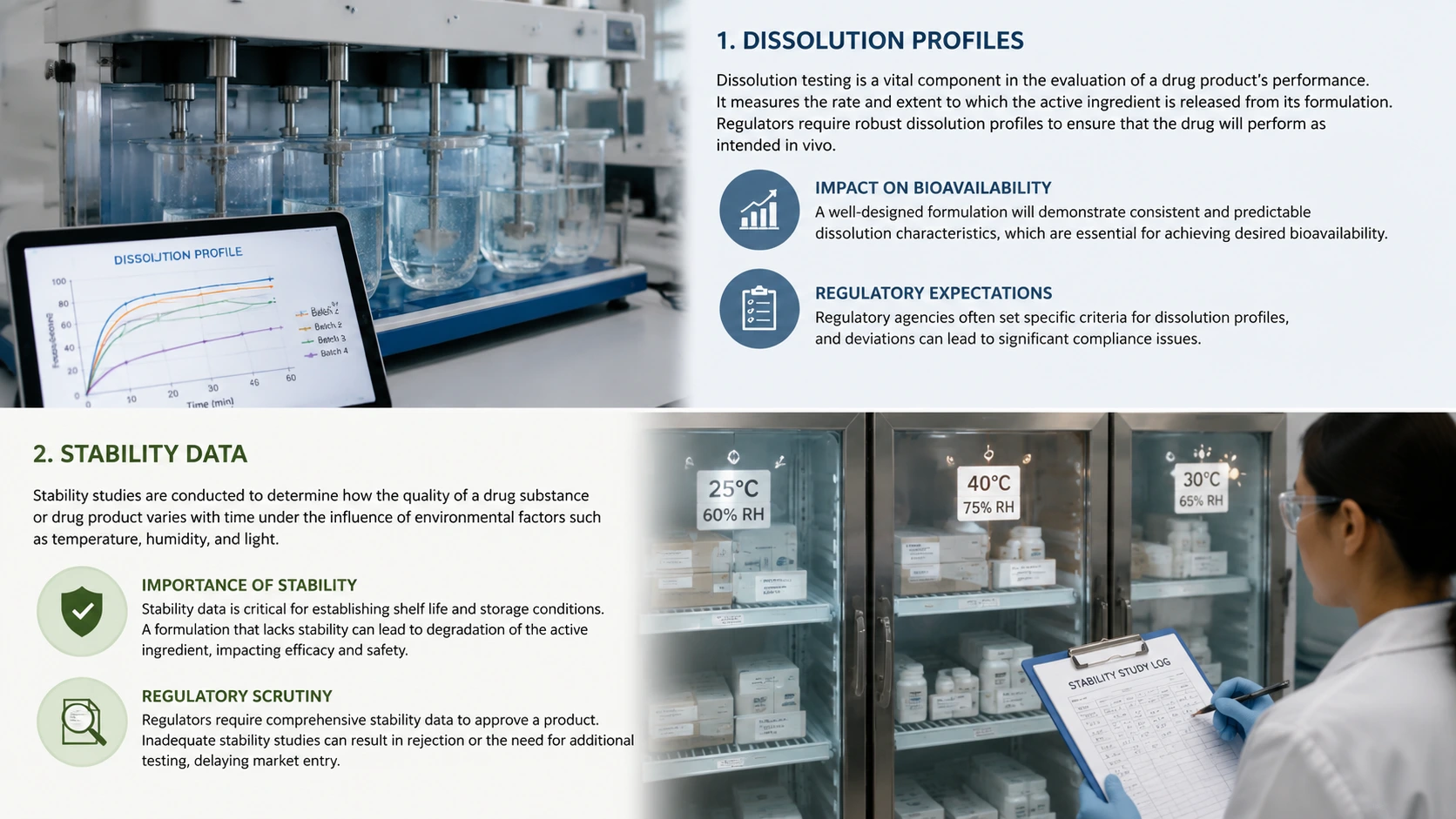
1. Dissolution Profiles
Dissolution testing is a vital component in the evaluation of a drug product’s performance. It measures the rate and extent to which the active ingredient is released from its formulation. Regulators require robust dissolution profiles to ensure that the drug will perform as intended in vivo.
- Impact on Bioavailability: A well-designed formulation will demonstrate consistent and predictable dissolution characteristics, which are essential for achieving desired bioavailability.
- Regulatory Expectations: Regulatory agencies often set specific criteria for dissolution profiles, and deviations can lead to significant compliance issues.
2. Stability Data
Stability studies are conducted to determine how the quality of a drug substance or drug product varies with time under the influence of environmental factors such as temperature, humidity, and light.
- Importance of Stability: Stability data is critical for establishing shelf life and storage conditions. A formulation that lacks stability can lead to degradation of the active ingredient, impacting efficacy and safety.
- Regulatory Scrutiny: Regulators require comprehensive stability data to approve a product. Inadequate stability studies can result in rejection or the need for additional testing, delaying market entry.
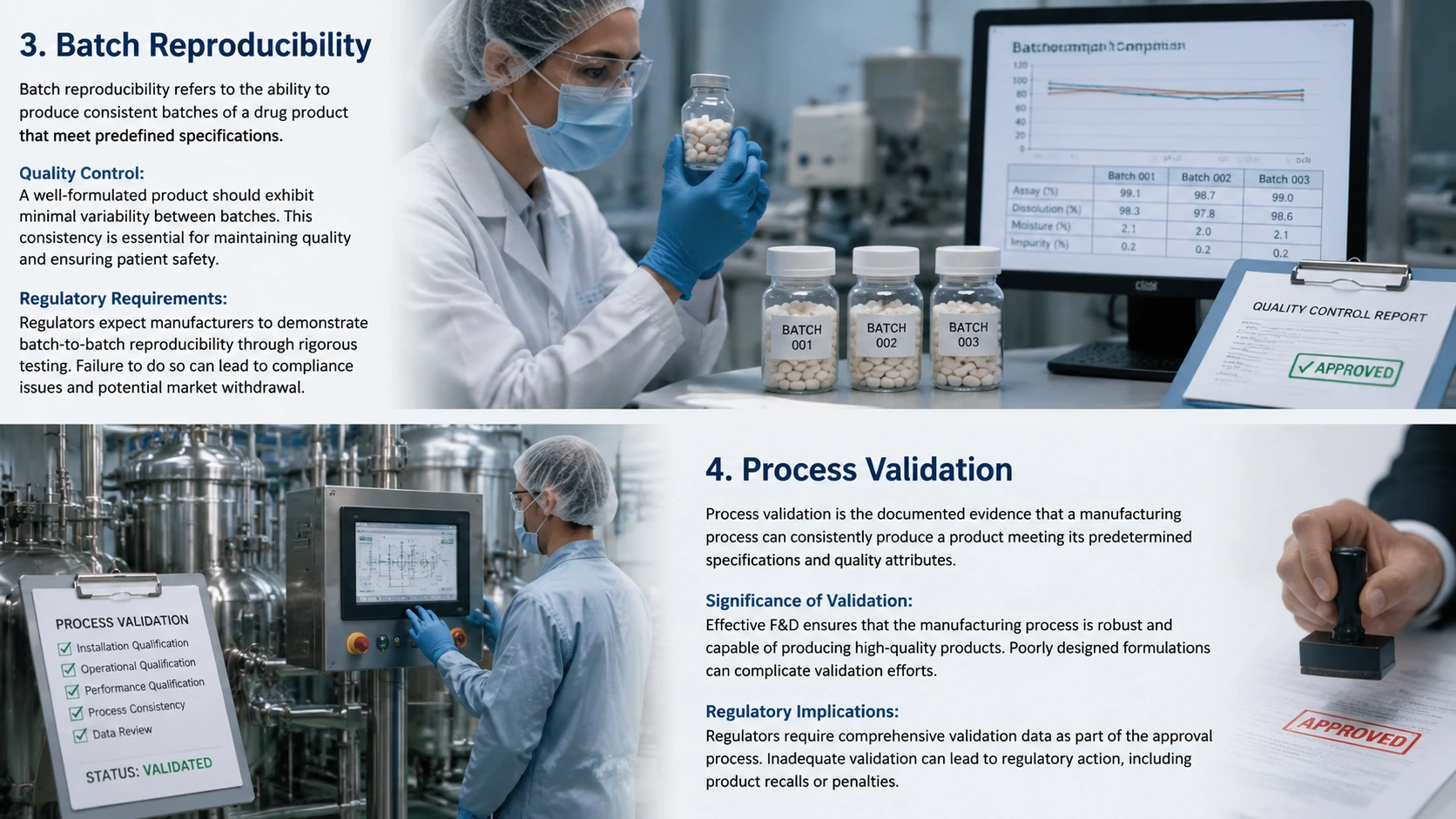
3. Batch Reproducibility
Batch reproducibility refers to the ability to produce consistent batches of a drug product that meet predefined specifications.
- Quality Control: A well-formulated product should exhibit minimal variability between batches. This consistency is essential for maintaining quality and ensuring patient safety.
- Regulatory Requirements: Regulators expect manufacturers to demonstrate batch-to-batch reproducibility through rigorous testing. Failure to do so can lead to compliance issues and potential market withdrawal.
4. Process Validation
Process validation is the documented evidence that a manufacturing process can consistently produce a product meeting its predetermined specifications and quality attributes.
- Significance of Validation: Effective F&D ensures that the manufacturing process is robust and capable of producing high-quality products. Poorly designed formulations can complicate validation efforts.
- Regulatory Implications: Regulators require comprehensive validation data as part of the approval process. Inadequate validation can lead to regulatory action, including product recalls or penalties.
Consequences of Poorly Designed Formulations
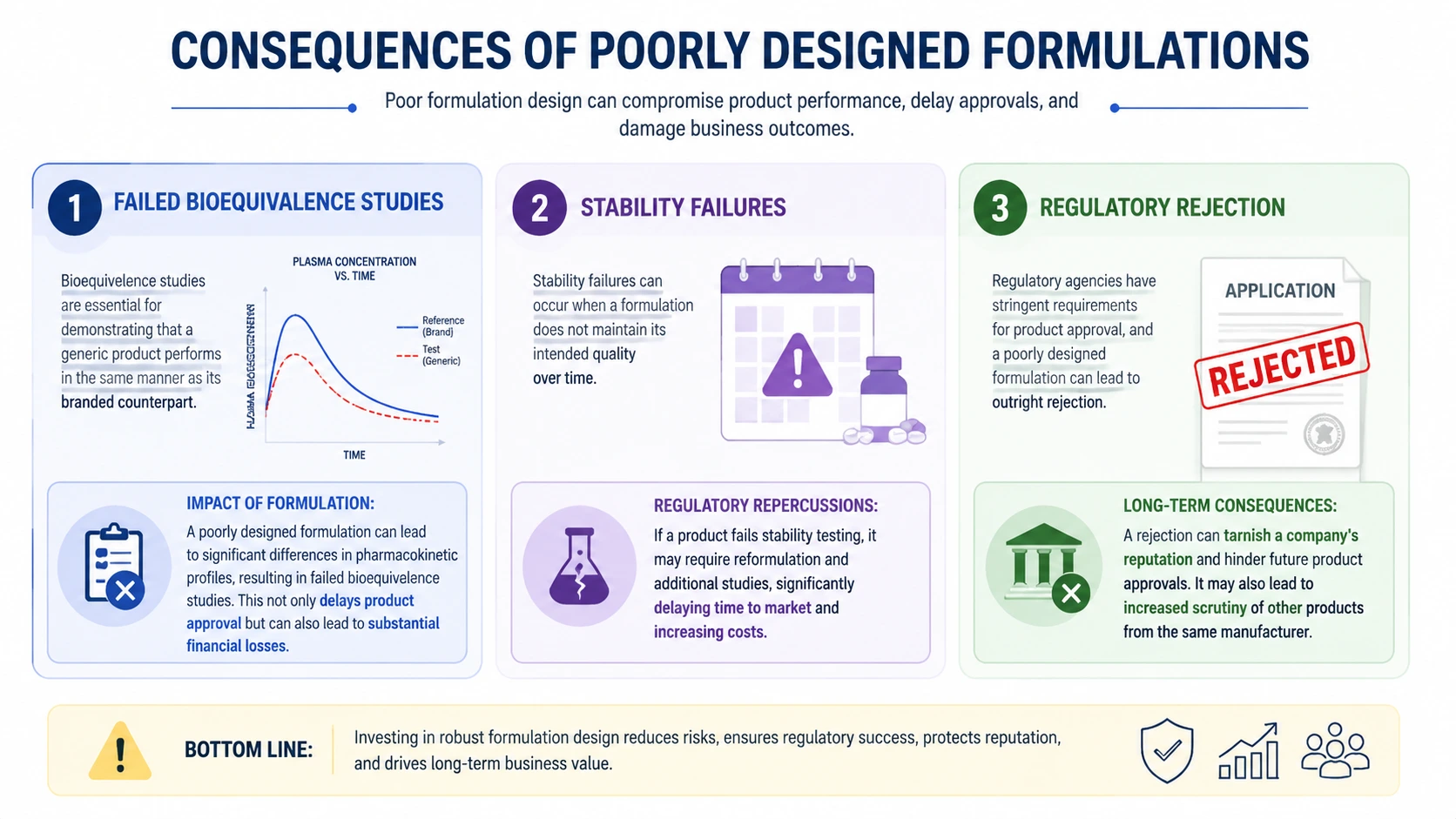
1. Failed Bioequivalence Studies
Bioequivalence studies are essential for demonstrating that a generic product performs in the same manner as its branded counterpart.
- Impact of Formulation: A poorly designed formulation can lead to significant differences in pharmacokinetic profiles, resulting in failed bioequivalence studies. This not only delays product approval but can also lead to substantial financial losses.
2. Stability Failures
Stability failures can occur when a formulation does not maintain its intended quality over time.
- Regulatory Repercussions: If a product fails stability testing, it may require reformulation and additional studies, significantly delaying time to market and increasing costs.
3. Regulatory Rejection
Regulatory agencies have stringent requirements for product approval, and a poorly designed formulation can lead to outright rejection.
Long-term Consequences: A rejection can tarnish a company’s reputation and hinder future product approvals. It may also lead to increased scrutiny of other products from the same manufacturer.
The Future: Beyond R&D vs F&D
In the rapidly evolving landscape of the pharmaceutical and biotechnology industries, the traditional dichotomy between Research and Development (R&D) and Formulation and Development (F&D) is becoming increasingly blurred. This document explores the future of these sectors, emphasizing the emergence of integrated development ecosystems, data-driven formulation techniques, and personalized medicine platforms. In this new paradigm, F&D will not merely follow R&D; instead, it will actively co-create alongside it, fostering innovation and enhancing patient outcomes.
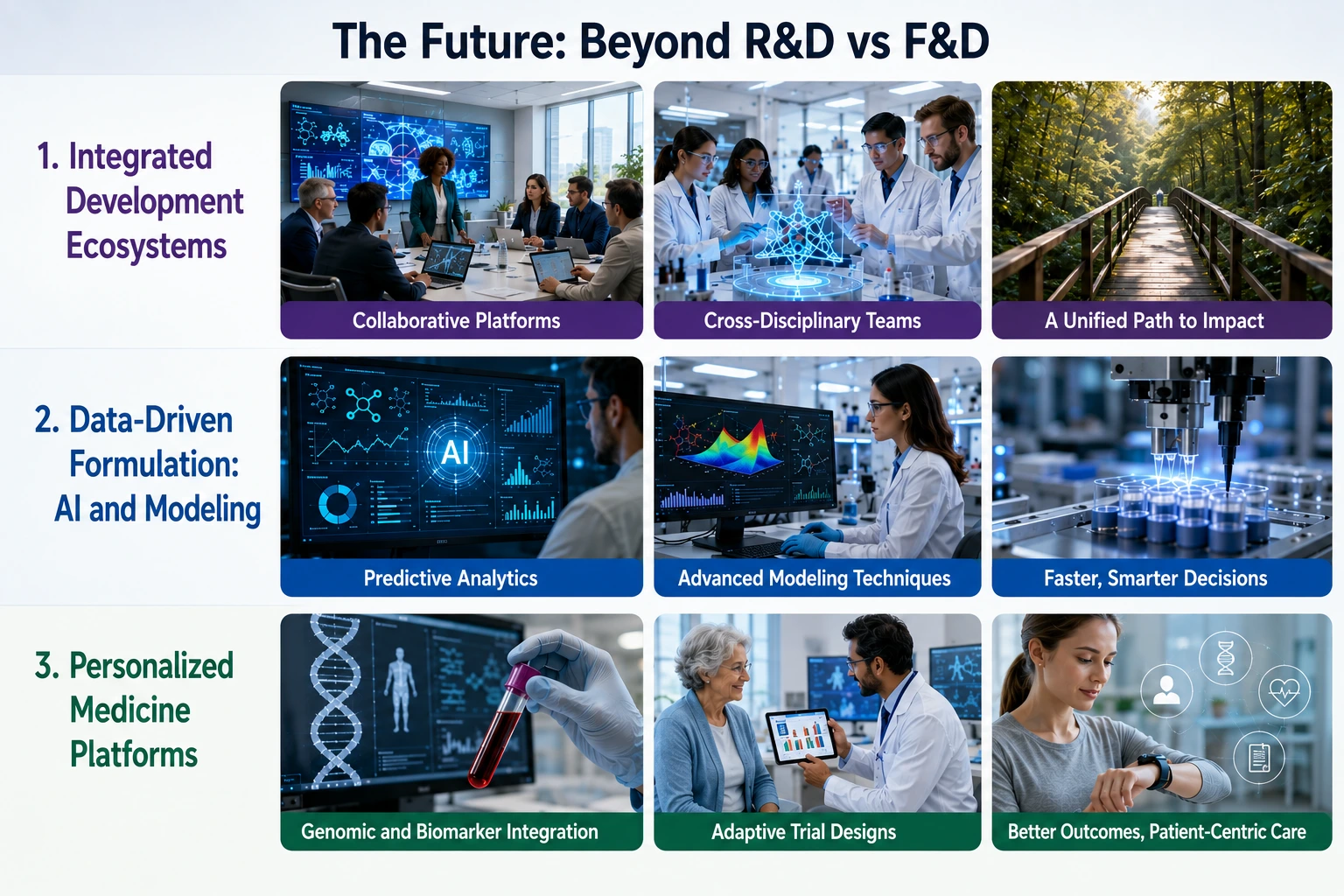
1. Integrated Development Ecosystems
The future of drug development is leaning towards integrated development ecosystems that bring together various stakeholders, including researchers, developers, regulatory bodies, and healthcare providers. These ecosystems facilitate collaboration and knowledge sharing, allowing for a more holistic approach to drug development.
Collaborative Platforms
The integration of collaborative platforms enables real-time communication and data sharing among all parties involved. This not only accelerates the development process but also ensures that insights from F&D can inform R&D strategies and vice versa. By breaking down silos, these ecosystems promote a culture of innovation and agility.
Cross-Disciplinary Teams
The formation of cross-disciplinary teams is another hallmark of integrated development ecosystems. By combining expertise from various fields: such as biology, chemistry, engineering, and data science, these teams can tackle complex challenges more effectively. This collaborative approach leads to more robust solutions and a faster path to market.
2. Data-Driven Formulation: AI and Modeling
The integration of artificial intelligence (AI) and advanced modeling techniques into formulation development is revolutionizing the industry. Data-driven formulation allows for more precise and efficient drug development processes.
Predictive Analytics
AI algorithms can analyze vast amounts of data to predict how different formulations will behave in clinical settings. This predictive capability enables researchers to optimize formulations before they enter costly clinical trials, reducing the risk of failure and accelerating time to market.
Enhanced Modeling Techniques
Advanced modeling techniques, such as computational fluid dynamics and molecular dynamics simulations, provide deeper insights into the behavior of drug formulations. These tools allow for the exploration of various formulation parameters, leading to the identification of optimal conditions for drug stability, bioavailability, and efficacy.
3. Personalized Medicine Platforms
The shift towards personalized medicine is transforming how drugs are developed and delivered. By tailoring treatments to individual patient profiles, the industry can enhance therapeutic outcomes and minimize adverse effects.
Genomic and Biomarker Integration
The incorporation of genomic data and biomarkers into drug development processes enables the identification of patient subpopulations that are most likely to benefit from specific therapies. This targeted approach not only improves patient outcomes but also increases the efficiency of clinical trials by focusing on the right patient groups.
Adaptive Trial Designs
Personalized medicine platforms often employ adaptive trial designs, which allow for modifications to the trial protocol based on interim results. This flexibility enables researchers to pivot quickly in response to emerging data, optimizing the development process and ensuring that resources are allocated effectively.
Co-Creation of F&D and R&D
In this future landscape, F&D will no longer be a linear process that follows R&D; instead, it will engage in co-creation with R&D. This collaborative approach will redefine the roles and responsibilities of both sectors.
Shared Objectives
By aligning their goals, R&D and F&D can work together to create formulations that are not only scientifically sound but also commercially viable. This shared vision fosters a culture of innovation and accountability, where both teams are invested in the success of the product.
Continuous Feedback Loops
The establishment of continuous feedback loops between R&D and F&D will enhance the development process. Insights gained during formulation development can inform research directions, while findings from R&D can guide formulation strategies. This iterative process ensures that both teams are working in tandem, ultimately leading to better products.
Conclusion
The intersection of R&D and F&D is no longer a transitional phase, it is the decisive frontier where pharmaceutical success is either engineered or lost.
What once operated as a sequential pipeline has evolved into a tightly integrated system, where early collaboration defines downstream outcomes. The shift toward Quality by Design (QbD) is not merely a regulatory preference, it is a scientific necessity. By embedding formulation intelligence into the earliest stages of drug development, the industry is actively reducing uncertainty, accelerating timelines, and minimizing costly late-stage failures.
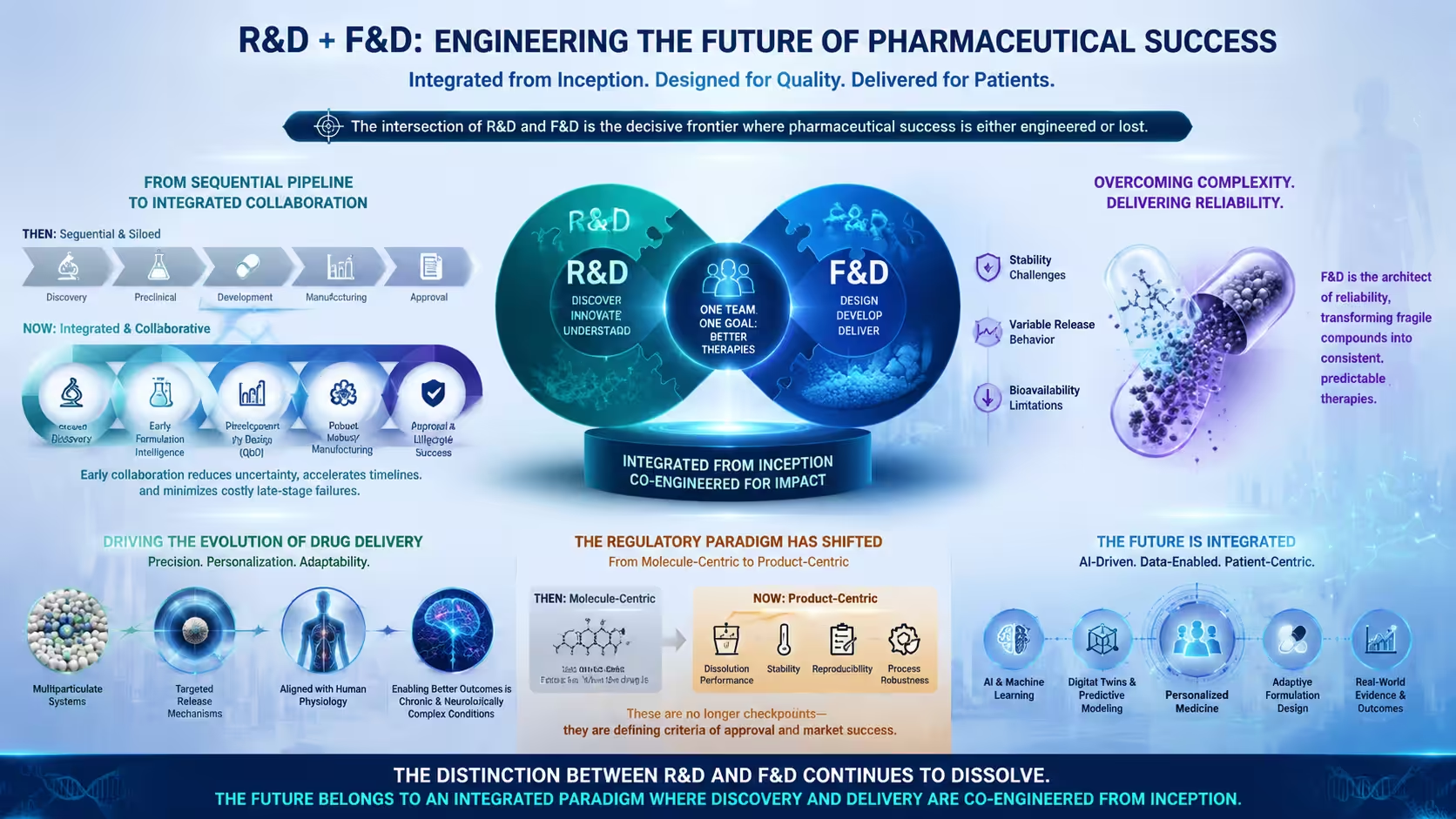
Nowhere is this integration more critical than in the handling of complex, sensitive molecules. Stability challenges, variable release behavior, and bioavailability limitations are not peripheral issues, they are central barriers that only advanced formulation strategies can overcome. In this context, F&D becomes the architect of reliability, transforming fragile compounds into consistent, predictable therapies.
Beyond conventional dosage forms, F&D is driving the evolution of drug delivery itself, enabling precision, personalization, and adaptability. From multiparticulate systems to targeted release mechanisms, modern formulation design is increasingly aligned with the dynamic nature of human physiology, particularly in chronic and neurologically complex conditions.
Equally, from a regulatory standpoint, the emphasis has decisively shifted from molecule-centric evaluation to product-centric performance. Dissolution, stability, reproducibility, and process robustness are no longer checkpoints, they are defining criteria of approval and market success.
As the pharmaceutical landscape advances toward AI-driven development and personalized medicine, the distinction between R&D and F&D continues to dissolve. The future belongs to an integrated paradigm where discovery and delivery are co-engineered from inception.
“And yet, even this integration is only a stepping stone!”
Because the next evolution will not just connect R&D and F&D, it will redefine what a “formulation” truly is.
As Part 2 draws to a close, R&D no longer stands at the beginning of the journey alone; R&D now breathes through every layer of formulation, every release profile, and every regulatory decision. What starts in R&D is refined by science, strengthened by design, and reimagined through innovation until R&D itself becomes the language of therapeutic precision. In the future, R&D will not simply discover molecules, R&D will shape their destiny, R&D will personalize their path, and R&D will merge with delivery so seamlessly that patients feel only the outcome, never the complexity. And perhaps the most exciting question remains: when R&D begins to think beyond molecules, what will medicine become next?
References
- International Council for Harmonisation of Technical Requirements for Pharmaceuticals for Human Use (ICH).
ICH Q8(R2): Pharmaceutical Development. - International Council for Harmonisation of Technical Requirements for Pharmaceuticals for Human Use (ICH).
ICH Q9: Quality Risk Management. - International Council for Harmonisation of Technical Requirements for Pharmaceuticals for Human Use (ICH).
ICH Q10: Pharmaceutical Quality System. - U.S. Food and Drug Administration.
Guidance for Industry: PAT A Framework for Innovative Pharmaceutical Development, Manufacturing, and Quality Assurance. - U.S. Food and Drug Administration.
Guidance for Industry: Dissolution Testing of Immediate Release Solid Oral Dosage Forms. - Aulton’s Pharmaceutics: The Design and Manufacture of Medicines, 5th Edition.
Elsevier. - Remington: The Science and Practice of Pharmacy, 23rd Edition.
Pharmaceutical Press. - International Journal of Pharmaceutics.
Selected articles on controlled release and advanced drug delivery systems. - Journal of Controlled Release.
Research on targeted and modified release technologies.